
The Psychology of Gambling
The design of casinos is intricately linked to the psychology of gambling. Understanding how the human brain responds to risk and reward allows casino developers to create environments that entice players to stay longer. For instance, the thrill of winning, complemented by the potential for loss, stimulates the release of dopamine, a neurotransmitter associated with pleasure. This reward system creates a compelling loop where players are motivated to chase their next win, often leading to extended playing sessions, where strategies like nrl betting tips can enhance their experience further.
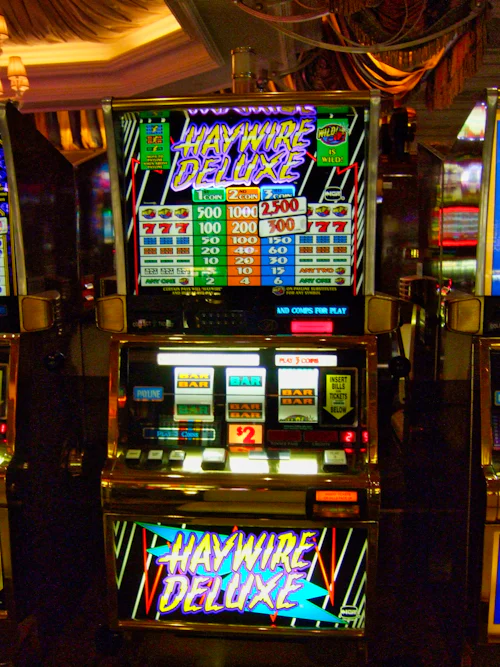
Moreover, casinos utilize various psychological triggers to enhance the gaming experience. Bright lights, vivid colors, and enticing sounds work together to create a sensory overload that captivates players’ attention. These elements distract players from the passage of time, making them less likely to realize how long they’ve been playing. For example, the sound of coins dropping or the spinning of a slot machine evokes excitement, reinforcing the desire to continue playing as players become lost in the moment.
Another essential aspect of casino design is the strategic placement of games. By positioning popular games near entrances or in high-traffic areas, casinos effectively lure players into the gaming floor. This layout encourages exploration and experimentation with different games, increasing the likelihood of prolonged engagement. The atmosphere is crafted to be stimulating yet comfortable, ensuring that players feel at ease and are reluctant to leave the gaming environment.
The Role of Rewards and Incentives
Casinos implement a variety of rewards and incentives to keep players engaged. Loyalty programs and player rewards are fundamental in this strategy, as they offer tangible benefits for continued play. Players accumulate points that can be redeemed for free spins, meals, or accommodations, which fosters a sense of belonging and value. This creates an emotional attachment to the casino, leading players to return to maximize their rewards.
Additionally, many casinos host regular promotions and events that further incentivize play. These promotions might include tournaments, giveaways, or special bonuses that appeal to both new and returning players. Such events not only draw crowds but also create a dynamic atmosphere that enhances the overall gaming experience. The anticipation of winning a prize or experiencing a unique event encourages players to stay longer and participate more actively.
Furthermore, casinos often provide complimentary services such as drinks and snacks to entice players to keep gambling. These perks create a sense of hospitality and indulgence, reinforcing the perception that players are valued. When guests feel pampered and appreciated, they are more likely to remain engaged with the games, often resulting in longer gaming sessions. This combination of incentives makes it difficult for players to peel themselves away from the gaming floor.
Environmental Factors Influencing Duration of Play
The physical environment of a casino plays a significant role in promoting longer gaming sessions. A well-designed casino layout that incorporates open spaces, comfortable seating, and easy navigation encourages players to move freely between games. The ambiance, characterized by attractive decor and ambient music, creates a welcoming atmosphere that invites guests to relax and play without feeling rushed.
Lighting also plays a crucial role in casino design. Soft, warm lighting can create an inviting space that feels safe and comfortable. In contrast, more vibrant lighting is often used around gaming machines to draw attention and create excitement. This careful orchestration of lighting helps establish an environment where players feel at home, making them more inclined to spend extended periods playing their favorite games.
Moreover, the absence of clocks and windows is a deliberate design choice in many casinos. By eliminating these traditional time indicators, casinos create an environment where players can lose track of time. This lack of awareness contributes significantly to extended gaming sessions, as players can become engrossed in the action and forget about their real-world responsibilities. The designed experience is one where time is abstracted, allowing for a singular focus on the game.
Social Interaction and Community Feel
Another crucial aspect of casino design is the emphasis on social interaction. Many casinos offer communal gaming options, such as table games, where players can engage with one another. This social aspect of gaming fosters camaraderie and competition, making the experience more enjoyable and encouraging players to stay longer. The ability to share in the excitement of wins and losses creates a bond among players, enhancing their overall experience.

Casinos often feature bars and lounges that serve as social hubs within the gaming environment, allowing players to take breaks while still being immersed in the casino atmosphere. These spaces are designed to encourage socializing, which helps keep players in the vicinity of gaming areas. By facilitating social interaction, casinos promote a vibrant community feel that makes players more likely to return and engage with the environment for extended periods.
Additionally, themed events or promotions can enhance this sense of community. Many casinos host special nights centered around holidays or local events, where players can participate in unique activities or themed games. This not only attracts regular patrons but also draws in newcomers seeking a lively and engaging atmosphere. Such events create memorable experiences that encourage players to return and extend their playing time.
Exploring More Insights about Casino Designs
As you delve deeper into the world of casino design, you’ll discover multiple layers of strategy aimed at enhancing player engagement and retention. Understanding how casinos create environments that encourage longer playtime can provide insights into the gaming industry as a whole. Whether through psychological triggers, rewards systems, or environmental factors, every element serves a purpose in keeping players immersed in the experience.
For anyone interested in learning more about the intricacies of casino designs and their influence on player behavior, there are ample resources available. Engaging with discussions on gaming psychology, design principles, and the latest trends in the industry can yield fascinating information. It is an exciting world that combines art, science, and entertainment in a bid to create unforgettable gaming experiences.
Whether you are a casual player or a serious gambler, understanding the mechanics behind casino design can enhance your gaming experience. With a wealth of knowledge at your fingertips, you can navigate the complexities of casinos more effectively, making informed decisions about your time and money spent in these vibrant environments. Stay curious and informed, and you will undoubtedly enhance your overall experience in the gaming world.