
05 Dec
Categories Clinical Pharmacology, Oncology, speciality


Overview


Minagene's Oncopharmacogenomics of Thiopurines is a specialized genetic test designed to optimize the safety and efficacy of thiopurine-based cancer treatments. By analyzing specific genetic variants involved in drug metabolism and response, this test provides valuable insights that enable personalized treatment strategies, minimizing toxicity and maximizing therapeutic benefits for patients.


Methodology


The Oncopharmacogenomics


The Oncopharmacogenomics of Thiopurines test utilizes advanced genetic analysis techniques, including high-throughput sequencing and genotyping, to analyze specific genetic variants associated with thiopurine metabolism and drug response. It focuses on genes involved in drug activation, metabolism, and target interactions, providing a comprehensive assessment of an individual’s pharmacogenomic profile.


Key Highlights of the Test:


Key Highlights of the Test:


-Personalized Treatment Optimization: The Oncopharmacogenomics of Thiopurines test enables personalized treatment optimization by identifying genetic variants that influence drug metabolism and response to thiopurines. This information helps clinicians tailor treatment regimens, adjust dosages, and enhance treatment efficacy while minimizing the risk of adverse effects.


-Identification of Variants in Drug-Metabolizing Enzymes: The test identifies genetic variants in key drug-metabolizing enzymes, such as thiopurine S-methyltransferase (TPMT) and nucleoside diphosphate-linked moiety X-type motif 15 (NUDT15). Variants in these enzymes can affect thiopurine metabolism, leading to altered drug efficacy and increased risk of toxicity. By detecting these variants, the test helps identify patients at higher risk of adverse effects and guides treatment decisions accordingly.


-Prediction of Drug Response and Efficacy: Genetic variants in drug target genes, such as thiopurine methyltransferase (TPMT) and inosine triphosphatase (ITPA), can influence drug response and efficacy. The test evaluates these variants, providing valuable information on treatment response likelihood and guiding clinicians in selecting the most appropriate therapeutic approach.


-Risk Stratification for Toxicity: By identifying genetic variants associated with increased drug toxicity, the test enables risk stratification for thiopurine-related adverse effects. This information assists healthcare professionals in making informed decisions regarding treatment selection, dosing adjustments, and proactive monitoring of patients at higher risk of toxicity.


-Clinical Decision Support: The Oncopharmacogenomics of Thiopurines test serves as a valuable tool for clinical decision-making. It provides actionable information that helps healthcare professionals optimize treatment plans, choose the most suitable thiopurine-based therapies, and minimize the risk of adverse drug reactions during cancer treatment.


When to Consider This Test:


-Treatment Planning: The Oncopharmacogenomics of Thiopurines test is particularly valuable during treatment planning for cancer patients who are candidates for thiopurine-based therapies. It helps identify genetic variants that may affect drug metabolism and response, enabling personalized treatment strategies to optimize therapeutic outcomes.


-Risk Assessment for Toxicity: The test is beneficial for assessing an individual’s risk of developing severe side effects associated with thiopurine-based treatments. By identifying genetic variants in drug-metabolizing enzymes, such as TPMT and NUDT15, clinicians can proactively stratify patients and implement appropriate measures to minimize toxicity.


-Treatment Response Prediction: The test aids in predicting treatment response and efficacy by evaluating genetic variants in drug target genes, such as TPMT and ITPA. This information helps guide treatment decisions and optimize therapeutic benefits for patients undergoing thiopurine-based cancer treatments.


-Dosing Optimization: Genetic information obtained from the test assists in optimizing drug dosing strategies for thiopurine-based therapies. By considering an individual’s pharmacogenomic profile, clinicians can adjust dosages to achieve the desired treatment effect while minimizing the risk of adverse drug reactions.


-Enhanced Safety Monitoring: The test supports enhanced safety monitoring for patients receiving thiopurine-based treatments. By identifying individuals with genetic variants associated with increased drug toxicity, clinicians can implement proactive monitoring and take appropriate measures to ensure patient safety.

05 Dec
Categories Clinical Pharmacology, Oncology, speciality


Overview


Minagene's Oncopharmacogenomics of Fluoropyrimidines is a specialized test that utilizes advanced genetic analysis to personalize treatment with fluoropyrimidine-based chemotherapy drugs. By examining the genetic variants associated with drug metabolism and response, this test helps optimize treatment regimens, minimize toxicity, and improve therapeutic outcomes for cancer patients.


Methodology


The Oncopharmacogenomics


The Oncopharmacogenomics of Fluoropyrimidines test employs high-throughput sequencing and genotyping techniques to analyze specific genetic variants that influence the metabolism and response to fluoropyrimidine-based chemotherapy drugs. It focuses on genes involved in drug activation, metabolism, and drug target interactions, allowing for a comprehensive assessment of an individual’s pharmacogenomic profile.


Key Highlights of the Test:


Key Highlights of the Test:


-Personalized Treatment Approach: The Oncopharmacogenomics of Fluoropyrimidines test enables personalized treatment approaches by identifying genetic variants that impact drug metabolism and response. This information helps clinicians optimize drug selection, dosage, and treatment duration for individual patients, enhancing treatment efficacy while minimizing the risk of adverse effects.


-Identification of Variants in Drug-Metabolizing Enzymes: The test identifies genetic variants in drug-metabolizing enzymes, such as dihydropyrimidine dehydrogenase (DPD), which plays a crucial role in the metabolism of fluoropyrimidines. Variants in DPD can result in reduced enzyme activity, leading to increased drug toxicity. By detecting these variants, the test helps identify patients at higher risk of developing severe side effects.


-Prediction of Drug Response and Efficacy: Genetic variants in drug target genes, such as thymidylate synthase (TYMS), can influence drug response and efficacy. The test assesses these variants, providing valuable information on the likelihood of treatment response and helping guide treatment decisions to maximize therapeutic benefits.


-Risk Stratification for Toxicity: By identifying genetic variants associated with increased drug toxicity, the test aids in risk stratification for fluoropyrimidine-related adverse effects. This helps clinicians make informed decisions regarding treatment selection, dosage adjustments, and proactive monitoring of patients at higher risk of toxicity.


-Clinical Decision Support: The Oncopharmacogenomics of Fluoropyrimidines test serves as a valuable tool for clinical decision-making. It provides actionable information that assists healthcare professionals in selecting the most appropriate treatment options, optimizing dosing strategies, and minimizing the potential for adverse drug reactions during fluoropyrimidine-based chemotherapy.


When to Consider This Test:


-Treatment Planning: The Oncopharmacogenomics of Fluoropyrimidines test is particularly valuable during treatment planning for cancer patients who are candidates for fluoropyrimidine-based chemotherapy. It helps identify genetic variants that may impact drug metabolism and response, enabling personalized treatment strategies to optimize therapeutic outcomes.


-Risk Assessment for Toxicity: The test is beneficial for assessing an individual’s risk of developing severe side effects associated with fluoropyrimidine-based chemotherapy. By identifying genetic variants in drug-metabolizing enzymes, such as DPD, clinicians can proactively stratify patients and implement appropriate measures to minimize toxicity.


-Treatment Response Prediction: The test aids in predicting treatment response and efficacy by evaluating genetic variants in drug target genes, such as TYMS. This information helps guide treatment decisions and optimize therapeutic benefits for patients undergoing fluoropyrimidine-based chemotherapy.


-Dosing Optimization: Genetic information obtained from the test assists in optimizing drug dosing strategies for fluoropyrimidine-based chemotherapy. By considering an individual’s pharmacogenomic profile, clinicians can adjust dosages to achieve the desired treatment effect while minimizing the risk of adverse drug reactions.


-Enhanced Safety Monitoring: The test supports enhanced safety monitoring for patients receiving fluoropyrimidine-based chemotherapy. By identifying individuals with genetic variants associated with increased drug toxicity, clinicians can implement proactive monitoring and take appropriate measures to ensure patient safety.

05 Dec
Categories Oncology, Pathology, speciality


Overview


Minagene's Tumor Mutation Burden (TMB) Test is a specialized genetic test designed to assess the genomic instability of tumors by measuring the tumor mutation burden. This advanced test utilizes high-throughput sequencing techniques to analyze the number of somatic mutations present in the tumor genome, providing valuable insights into tumor biology, prognosis, and potential response to immunotherapies.


Methodology


The TMB Test employs


The TMB Test employs next-generation sequencing (NGS) technology to analyze the tumor genome and detect somatic mutations. It assesses the total number of non-synonymous somatic mutations, including base substitutions, insertions, and deletions, across a broad range of genes. By quantifying the mutation burden, the test provides a measure of genomic instability and potential neoantigen formation in the tumor.


Key Highlights of the Test:


Key Highlights of the Test:


  • -Comprehensive Genomic Instability Assessment: Minagene’s TMB Test offers a comprehensive analysis of genomic instability by quantifying the tumor mutation burden. It assesses the total number of somatic mutations, including both high and low allele frequency variants, providing a more comprehensive understanding of the tumor’s genetic landscape.


    -Prognostic and Predictive Value: TMB has emerged as a valuable biomarker with prognostic and predictive value in cancer. High TMB has been associated with increased response rates to immune checkpoint inhibitors and improved survival outcomes in certain cancer types. The TMB Test helps identify patients who may benefit from immunotherapy and informs treatment decisions.


    -Prediction of Immunotherapy Response: TMB is recognized as a potential biomarker for predicting response to immune checkpoint inhibitors, such as PD-1/PD-L1 inhibitors. The TMB Test provides valuable information on the tumor’s mutational load, enabling clinicians to identify patients with a higher likelihood of benefiting from immunotherapeutic approaches.


    -Complementary Biomarker: TMB assessment complements other biomarkers, such as PD-L1 expression, in guiding immunotherapy treatment decisions. The combination of TMB and PD-L1 expression analysis provides a more comprehensive understanding of a patient’s potential response to immune checkpoint inhibitors.


    -Research and Clinical Trials: The TMB Test can be used in research studies and clinical trials focusing on cancer. The test’s comprehensive analysis of the tumor genome and assessment of genomic instability contribute to a better understanding of tumor biology and the development of targeted therapies.


When to Consider This Test:


-Treatment Decision-Making: The TMB Test is considered when making treatment decisions, especially for patients with advanced or metastatic cancer. It helps identify patients who may benefit from immunotherapy, particularly immune checkpoint inhibitors, by predicting potential treatment response based on the tumor’s mutation burden.


-Prognostic Assessment: The test aids in prognostic assessment by evaluating the tumor’s genomic instability. High TMB has been associated with improved survival outcomes in certain cancer types, providing valuable prognostic information for patient management.


-Immunotherapy Response Prediction: The TMB Test is valuable for predicting response to immune checkpoint inhibitors. Patients with high TMB are more likely to respond to immunotherapeutic approaches, making the test useful in guiding treatment decisions and optimizing patient outcomes.


-Combination Biomarker Analysis: TMB assessment complements other biomarkers, such as PD-L1 expression, in guiding immunotherapy treatment decisions. Combined analysis of TMB and PD-L1 expression provides a more comprehensive understanding of a patient’s potential response to immune checkpoint inhibitors.


-Research and Clinical Trials: The TMB Test can be utilized in research studies and clinical trials focusing on cancer. The comprehensive genomic analysis provided by the test contributes to a better understanding of tumor biology, treatment response, and the development of personalized therapies.

05 Dec
Categories Diseases, Hematology, Oncology, speciality


Overview


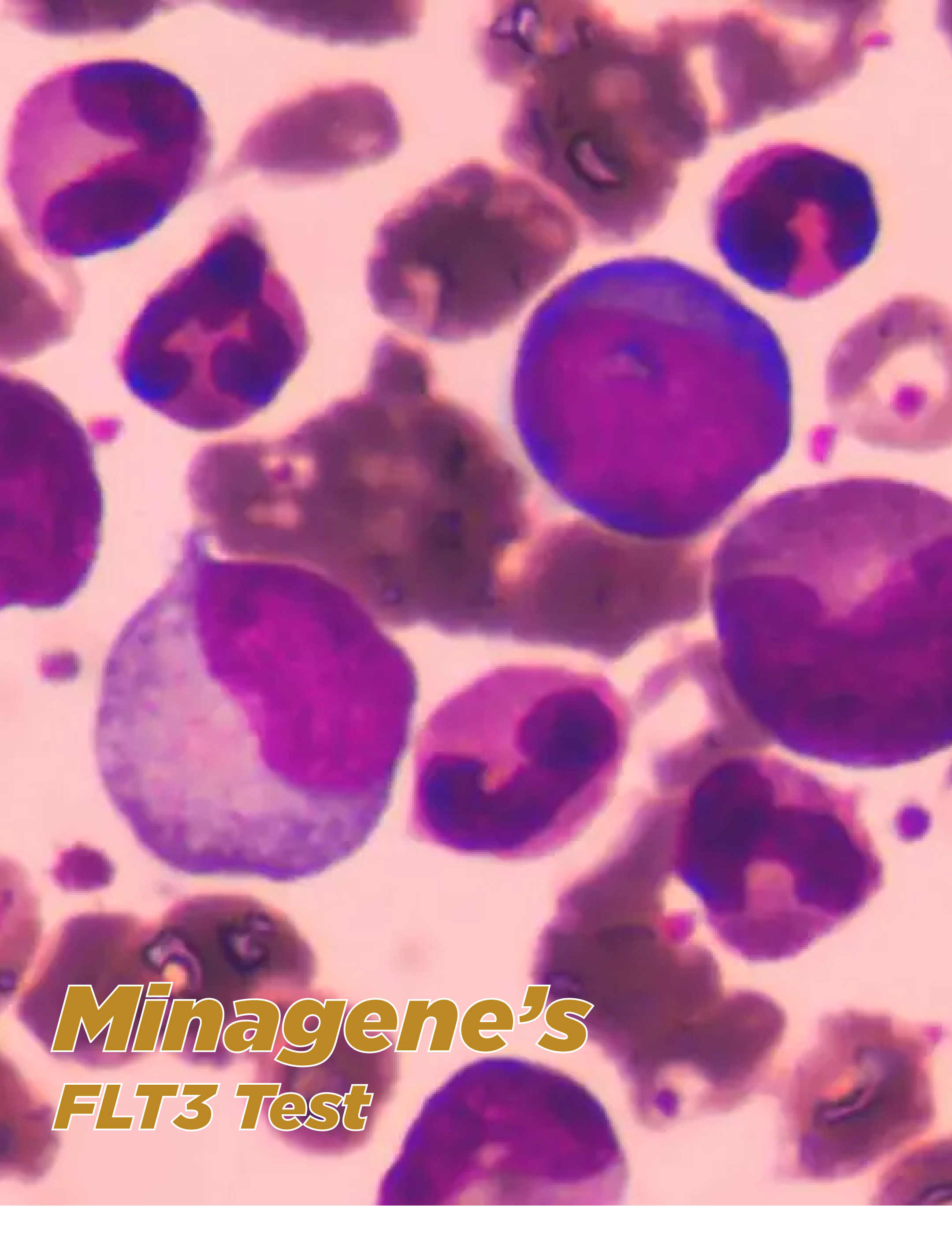
Minagene's FLT3 Test is a specialized genetic test designed to provide comprehensive analysis of FLT3 mutations in patients with acute myeloid leukemia (AML). This advanced test utilizes state-of-the-art molecular techniques to detect and characterize FLT3 mutations, enabling accurate diagnosis, prognostic assessment, and personalized treatment strategies for individuals with AML.


Methodology


The FLT3 Test employs


The FLT3 Test employs cutting-edge molecular techniques, including polymerase chain reaction (PCR) and DNA sequencing, to detect and analyze FLT3 mutations. It specifically targets the FLT3 gene, which plays a critical role in the regulation of cell growth and proliferation in hematopoietic cells. By analyzing FLT3 mutations, the test provides valuable genetic information that aids in the diagnosis, risk stratification, and treatment selection for AML patients.


Key Highlights of the Test:


Key Highlights of the Test:


-Comprehensive FLT3 Mutation Analysis: Minagene’s FLT3 Test offers a comprehensive analysis of FLT3 mutations in AML patients. It detects both internal tandem duplications (ITDs) and point mutations in the FLT3 gene, including the common FLT3-ITD and FLT3-TKD mutations. This comprehensive approach ensures accurate detection and characterization of FLT3 mutations, which are crucial for clinical decision-making.


-Accurate Diagnosis and Subtyping: The FLT3 Test helps in accurate diagnosis and subtyping of AML by identifying FLT3 mutations. FLT3 mutations are commonly observed in AML and have prognostic implications. The test aids in distinguishing between different AML subtypes and provides critical information for risk stratification and treatment planning.


-Prognostic Assessment: FLT3 mutations have significant prognostic implications in AML. The FLT3 Test provides valuable prognostic information by identifying the presence and type of FLT3 mutations. It helps in risk stratification and treatment decision-making, as patients with FLT3 mutations often have poorer outcomes and may require more aggressive therapeutic approaches.


-Personalized Treatment Selection: The FLT3 Test’s genetic insights assist in personalized treatment selection for AML patients. Identification of FLT3 mutations helps in determining the eligibility for targeted therapies, such as FLT3 inhibitors, which specifically target the mutated FLT3 protein. This information guides clinicians in selecting appropriate treatment strategies to improve patient outcomes.


-Monitoring Treatment Response: The FLT3 Test can be used to monitor treatment response in AML patients with FLT3 mutations. By periodically assessing the presence and levels of FLT3 mutations, the test helps evaluate the effectiveness of targeted therapies and make necessary treatment adjustments based on the molecular response.


When to Consider This Test:


-Diagnostic Evaluation: The FLT3 Test is recommended for patients with suspected or newly diagnosed AML. It aids in accurate diagnosis and subclassification of AML by detecting FLT3 mutations, providing valuable information for risk assessment and treatment planning.


-Prognostic Assessment: The test is valuable for prognostic assessment in AML patients. FLT3 mutations are associated with poorer outcomes, and their detection helps in risk stratification and treatment decision-making.


-Treatment Selection: The FLT3 Test assists in personalized treatment selection for AML patients. Identification of FLT3 mutations determines the eligibility for targeted therapies, such as FLT3 inhibitors, which can be used as part of the treatment regimen.


-Treatment Response Monitoring: The test can be utilized for monitoring treatment response in AML patients with FLT3 mutations. It helps evaluate the effectiveness of targeted therapies and guides treatment adjustments based on the molecular response.


-Research and Clinical Trials: The FLT3 Test can be used in research studies and clinical trials focusing on AML. The test’s comprehensive analysis of FLT3 mutations contributes to a better understanding of AML biology and helps identify potential therapeutic targets.

05 Dec
Categories Genetics, Hematology, Immunology, speciality


Overview


Minagene's Primary Immunodeficiency Gene Panel is a specialized genetic test designed to provide a comprehensive analysis of genetic mutations associated with primary immunodeficiency disorders. This advanced panel utilizes next-generation sequencing (NGS) technology to analyze a panel of genes involved in immune system function, allowing for precise diagnosis, personalized treatment strategies, and informed genetic counseling for individuals with primary immunodeficiency disorders.


Methodology


The Primary Immunodeficiency


The Primary Immunodeficiency Gene Panel employs targeted NGS technology to sequence a panel of genes known to be associated with primary immunodeficiency disorders. The panel covers a wide range of genes involved in immune system development, function, and regulation. By analyzing these genes, the panel provides a comprehensive genetic profile that helps identify specific genetic mutations contributing to primary immunodeficiency disorders, guiding accurate diagnosis and personalized management.


Key Highlights of the Test:


Key Highlights of the Test:


-Comprehensive Genetic Evaluation: The Primary Immunodeficiency Gene Panel offers a comprehensive evaluation of genetic mutations associated with primary immunodeficiency disorders. It analyzes key genes involved in immune system function and regulation, including immunoglobulin genes, cytokine receptors, and genes associated with T and B cell development. This comprehensive approach enables the identification of potential causative genetic mutations, aiding in accurate primary immunodeficiency disorder diagnosis.


-Precise Diagnosis: By identifying specific genetic mutations, the panel facilitates precise diagnosis and differentiation between different subtypes of primary immunodeficiency disorders. It helps categorize disorders such as common variable immunodeficiency (CVID), severe combined immunodeficiency (SCID), and selective antibody deficiencies, allowing for more targeted management strategies.


-Personalized Treatment Selection: The panel’s genetic insights assist in personalized treatment selection for individuals with primary immunodeficiency disorders. By identifying specific genetic mutations, the panel helps guide treatment decisions, including immunoglobulin replacement therapy, hematopoietic stem cell transplantation (HSCT), targeted therapies, or gene therapy based on the underlying genetic abnormalities.


-Prognostic Assessment: The Primary Immunodeficiency Gene Panel provides valuable prognostic information by identifying genetic mutations associated with disease severity and clinical outcomes. This information aids in risk stratification and treatment planning, allowing clinicians to optimize therapeutic interventions and improve patient prognosis.


-Genetic Counseling and Family Screening: The genetic information obtained from the panel can be used for genetic counseling and family screening. It helps identify family members who may carry pathogenic mutations associated with primary immunodeficiency disorders, enabling early detection and intervention in at-risk individuals.


When to Consider This Test:


-Diagnostic Evaluation: The Primary Immunodeficiency Gene Panel is recommended for individuals suspected of having primary immunodeficiency disorders, particularly in cases where there is a history of recurrent, severe, or unusual infections. The panel aids in precise diagnosis and differentiation between different subtypes of primary immunodeficiency disorders.


-Personalized Treatment Planning: The test is valuable for personalized treatment planning in individuals with primary immunodeficiency disorders. By identifying specific genetic mutations, the panel helps guide treatment decisions, including the selection of appropriate immunoglobulin replacement therapies, HSCT, targeted therapies, or gene therapy based on the underlying genetic abnormalities.


-Prognostic Assessment: The panel’s genetic insights assist in prognostic assessment by identifying genetic mutations associated with disease severity and clinical outcomes. This information aids in risk stratification and treatment planning, enabling clinicians to optimize therapeutic interventions and improve patient prognosis.


-Genetic Counseling and Family Screening: The panel’s results can be used for genetic counseling and family screening. It helps identify family members who may carry pathogenic mutations associated with primary immunodeficiency disorders, facilitating early detection and intervention in at-risk individuals.


-Research and Clinical Trials: The Primary Immunodeficiency Gene Panel can be utilized in research studies and clinical trials focusing on primary immunodeficiency disorders. The panel’s comprehensive genetic profiling may contribute to a better understanding of the genetic basis of these disorders and help identify potential therapeutic targets.

05 Dec
Categories Diseases, Hematology, Immunology, speciality


Overview


Minagene's Primary Immunodeficiency Gene Panel is a specialized genetic test designed to provide a comprehensive analysis of genetic mutations associated with primary immunodeficiency disorders. This advanced panel utilizes next-generation sequencing (NGS) technology to analyze a panel of genes involved in immune system function, allowing for precise diagnosis, personalized treatment strategies, and informed genetic counseling for individuals with primary immunodeficiency disorders.


Methodology


The Primary Immunodeficiency


The Primary Immunodeficiency Gene Panel employs targeted NGS technology to sequence a panel of genes known to be associated with primary immunodeficiency disorders. The panel covers a wide range of genes involved in immune system development, function, and regulation. By analyzing these genes, the panel provides a comprehensive genetic profile that helps identify specific genetic mutations contributing to primary immunodeficiency disorders, guiding accurate diagnosis and personalized management.


Key Highlights of the Test:


Key Highlights of the Test:


-Comprehensive Genetic Evaluation: The Primary Immunodeficiency Gene Panel offers a comprehensive evaluation of genetic mutations associated with primary immunodeficiency disorders. It analyzes key genes involved in immune system function and regulation, including immunoglobulin genes, cytokine receptors, and genes associated with T and B cell development. This comprehensive approach enables the identification of potential causative genetic mutations, aiding in accurate primary immunodeficiency disorder diagnosis.


-Precise Diagnosis: By identifying specific genetic mutations, the panel facilitates precise diagnosis and differentiation between different subtypes of primary immunodeficiency disorders. It helps categorize disorders such as common variable immunodeficiency (CVID), severe combined immunodeficiency (SCID), and selective antibody deficiencies, allowing for more targeted management strategies.


-Personalized Treatment Selection: The panel’s genetic insights assist in personalized treatment selection for individuals with primary immunodeficiency disorders. By identifying specific genetic mutations, the panel helps guide treatment decisions, including immunoglobulin replacement therapy, hematopoietic stem cell transplantation (HSCT), targeted therapies, or gene therapy based on the underlying genetic abnormalities.


-Prognostic Assessment: The Primary Immunodeficiency Gene Panel provides valuable prognostic information by identifying genetic mutations associated with disease severity and clinical outcomes. This information aids in risk stratification and treatment planning, allowing clinicians to optimize therapeutic interventions and improve patient prognosis.


-Genetic Counseling and Family Screening: The genetic information obtained from the panel can be used for genetic counseling and family screening. It helps identify family members who may carry pathogenic mutations associated with primary immunodeficiency disorders, enabling early detection and intervention in at-risk individuals.


When to Consider This Test:


-Diagnostic Evaluation: The Primary Immunodeficiency Gene Panel is recommended for individuals suspected of having primary immunodeficiency disorders, particularly in cases where there is a history of recurrent, severe, or unusual infections. The panel aids in precise diagnosis and differentiation between different subtypes of primary immunodeficiency disorders.


-Personalized Treatment Planning: The test is valuable for personalized treatment planning in individuals with primary immunodeficiency disorders. By identifying specific genetic mutations, the panel helps guide treatment decisions, including the selection of appropriate immunoglobulin replacement therapies, HSCT, targeted therapies, or gene therapy based on the underlying genetic abnormalities.


-Prognostic Assessment: The panel’s genetic insights assist in prognostic assessment by identifying genetic mutations associated with disease severity and clinical outcomes. This information aids in risk stratification and treatment planning, enabling clinicians to optimize therapeutic interventions and improve patient prognosis.


-Genetic Counseling and Family Screening: The panel’s results can be used for genetic counseling and family screening. It helps identify family members who may carry pathogenic mutations associated with primary immunodeficiency disorders, facilitating early detection and intervention in at-risk individuals.


-Research and Clinical Trials: The Primary Immunodeficiency Gene Panel can be utilized in research studies and clinical trials focusing on primary immunodeficiency disorders. The panel’s comprehensive genetic profiling may contribute to a better understanding of the genetic basis of these disorders and help identify potential therapeutic targets.


-In conclusion, Minagene’s Primary Immunodeficiency Gene Panel offers a comprehensive genetic evaluation for accurate diagnosis and management of primary immunodeficiency disorders. By analyzing key genes associated with immune system function, the panel provides valuable genetic insights that guide precise diagnosis, personalized treatment selection, prognostic assessment, and genetic counseling. This panel enhances our understanding of primary immunodeficiency disorders and contributes to improved patient outcomes in the management of these complex conditions.

05 Dec
Categories Diseases, Genetics, Hematology, speciality


Overview


Minagene's Hemophagocytic Lymphohistiocytosis (HLH) Gene Panel is a specialized genetic test designed to provide comprehensive genetic information for precise diagnosis and management of HLH. This panel utilizes advanced next-generation sequencing (NGS) technology to analyze a panel of genes associated with HLH, enabling clinicians to identify causative genetic mutations and guide personalized treatment strategies for improved patient outcomes.


Methodology


The HLH Gene Panel


The HLH Gene Panel utilizes targeted NGS technology to sequence selected genes known to be associated with HLH. The panel covers a wide range of genes involved in immune dysregulation, cytokine signaling, and cytotoxicity pathways. By analyzing these genes, the panel provides a comprehensive genetic profile that helps identify specific genetic mutations contributing to HLH, guiding accurate diagnosis and personalized management.


Key Highlights of the Test:


Key Highlights of the Test:


-Comprehensive Genetic Evaluation: The HLH Gene Panel offers a comprehensive evaluation of genetic mutations associated with HLH. It analyzes key genes involved in immune dysregulation and cytotoxicity pathways, including PRF1, UNC13D, STXBP2, and others. This comprehensive approach enables the identification of potential causative genetic mutations, aiding in accurate HLH diagnosis.


-Precise Diagnosis: By identifying specific genetic mutations, the panel facilitates precise diagnosis and differentiation between different subtypes of HLH. It helps distinguish between primary and secondary HLH, enabling clinicians to provide appropriate management strategies and prognostic information.


-Personalized Treatment Selection: The panel’s genetic insights assist in personalized treatment selection for HLH patients. By identifying specific genetic mutations, the panel helps guide treatment decisions, including the use of immunomodulatory therapies, hematopoietic stem cell transplantation (HSCT), or targeted therapies based on the underlying genetic abnormalities.


-Prognostic Assessment: The HLH Gene Panel provides valuable prognostic information by identifying genetic mutations associated with disease severity and clinical outcomes. This information aids in risk stratification and treatment planning, allowing clinicians to optimize therapeutic interventions and improve patient prognosis.


-Genetic Counseling and Family Screening: The genetic information obtained from the panel can be used for genetic counseling and family screening. It helps identify family members who may carry pathogenic mutations associated with HLH, enabling early detection and intervention in at-risk individuals.


When to Consider This Test:


-Diagnostic Evaluation: The HLH Gene Panel is recommended for patients suspected of having HLH, particularly in cases where the clinical presentation is consistent with immune dysregulation and cytokine storm. The panel aids in precise diagnosis and differentiation between primary and secondary HLH.


-Personalized Treatment Planning: The test is valuable for personalized treatment planning in HLH patients. By identifying specific genetic mutations, the panel helps guide treatment decisions, including the selection of appropriate immunomodulatory therapies, HSCT, or targeted therapies based on the underlying genetic abnormalities.


-Prognostic Assessment: The panel’s genetic insights assist in prognostic assessment by identifying genetic mutations associated with disease severity and clinical outcomes. This information aids in risk stratification and treatment planning, enabling clinicians to optimize therapeutic interventions and improve patient prognosis.


-Genetic Counseling and Family Screening: The panel’s results can be used for genetic counseling and family screening. It helps identify family members who may carry pathogenic mutations associated with HLH, facilitating early detection, and intervention in at-risk individuals.


-Research and Clinical Trials: The HLH Gene Panel can be utilized in research studies and clinical trials focusing on HLH. The panel’s comprehensive genetic profiling may contribute to a better understanding of the genetic basis of HLH and help identify potential therapeutic targets.

05 Dec
Categories Diseases, Genetics, Hematology, speciality


Overview


Minagene's Thalassemia Mutation Test is a specialized genetic test designed to provide a comprehensive analysis of genetic mutations associated with thalassemia. This advanced test utilizes state-of-the-art molecular techniques to identify specific mutations in genes involved in hemoglobin production. By unraveling the genetic basis of thalassemia, this test aids in accurate diagnosis, carrier screening, and genetic counseling, facilitating informed reproductive decisions and personalized patient care.


Methodology


The Thalassemia Mutation


The Thalassemia Mutation Test employs targeted DNA sequencing or genotyping techniques to analyze specific genes associated with thalassemia, such as the HBB (beta-globin) gene. The test aims to identify known pathogenic mutations, including point mutations, deletions, and insertions, which may disrupt normal hemoglobin production. The analysis provides detailed information about the specific mutations present, allowing for precise diagnosis and carrier status determination.


Key Highlights of the Test:


Key Highlights of the Test:


-Comprehensive Genetic Evaluation: The Thalassemia Mutation Test offers a comprehensive evaluation of genetic mutations associated with thalassemia. By analyzing specific genes involved in hemoglobin production, such as the HBB gene, the test identifies known pathogenic mutations, providing a detailed genetic profile for accurate diagnosis and carrier screening.


-Accurate Diagnosis: The test aids in accurate diagnosis by identifying specific mutations associated with different types and severity of thalassemia. It helps distinguish between alpha-thalassemia and beta-thalassemia, as well as differentiating thalassemia trait carriers from individuals with thalassemia major or intermedia.


-Carrier Screening and Genetic Counseling: The Thalassemia Mutation Test is valuable for carrier screening in populations with a high prevalence of thalassemia. It helps identify individuals who carry thalassemia mutations and are at risk of passing the condition to their offspring. The test results enable genetic counseling, allowing individuals and couples to make informed reproductive decisions.


-Prenatal Diagnosis: In cases where thalassemia is suspected in a pregnancy, the test can be used for prenatal diagnosis. By analyzing fetal DNA obtained through non-invasive prenatal testing (NIPT) or invasive procedures, such as chorionic villus sampling (CVS) or amniocentesis, the test can detect thalassemia mutations in the fetus, aiding in early diagnosis and appropriate management.


-Personalized Management: The Thalassemia Mutation Test supports personalized management by providing crucial information for treatment planning and monitoring. It helps guide appropriate interventions, such as blood transfusions, iron chelation therapy, and stem cell transplantation, based on the specific genetic mutations identified in each individual.


When to Consider This Test:


-Diagnostic Evaluation: The Thalassemia Mutation Test is recommended for individuals with clinical suspicion of thalassemia, including those presenting with anemia, abnormal hemoglobin patterns, or a family history of thalassemia. The test aids in accurate diagnosis and differentiation between different types and severity of thalassemia.


-Carrier Screening: The test is valuable for carrier screening in populations with a high prevalence of thalassemia. It helps identify individuals who carry thalassemia mutations and are at risk of transmitting the condition to their offspring, facilitating informed reproductive decisions.


-Genetic Counseling: The Thalassemia Mutation Test results serve as the basis for genetic counseling. It enables individuals and couples to understand their carrier status, assess the risk of having affected children, and make informed decisions regarding family planning and reproductive options.


-Prenatal Diagnosis: In pregnancies where thalassemia is suspected, the test can be used for prenatal diagnosis. It aids in early identification of thalassemia mutations in the fetus, allowing for appropriate counseling, and enabling timely management and intervention planning.


-Personalized Management: The test results guide personalized management strategies for individuals with thalassemia. By identifying specific mutations, the test helps tailor treatment plans, including blood transfusions, iron chelation therapy, and stem cell transplantation, according to each patient’s genetic profile.

05 Dec
Categories Diseases, Oncology, Pulmonology, speciality


Overview


Minagene's Non-Small Cell Lung Cancer (NSCLC) Panel is a specialized genetic test designed to provide comprehensive genetic information for precise diagnosis, prognosis, and personalized treatment selection in patients with NSCLC. This panel utilizes cutting-edge next-generation sequencing (NGS) technology to analyze key genes and genetic alterations associated with NSCLC, enabling clinicians to make informed treatment decisions and optimize patient outcomes.


Methodology


The NSCLC Panel


The NSCLC Panel utilizes NGS-based targeted sequencing to analyze DNA or RNA extracted from tumor samples of NSCLC patients. The panel covers a wide range of genes known to be involved in NSCLC development and progression, including driver mutations, gene fusions, copy number variations (CNVs), and other genetic alterations. By assessing the genetic landscape of NSCLC, the panel provides a comprehensive genetic profile that guides personalized management strategies.


Key Highlights of the Test:


Key Highlights of the Test:


-Comprehensive Genetic Evaluation: The NSCLC Panel offers a comprehensive evaluation of genetic alterations associated with NSCLC. It analyzes key genes involved in NSCLC development, including EGFR, ALK, ROS1, KRAS, BRAF, and many others, allowing for a detailed genetic profile of the tumor. This information aids in accurate diagnosis, subtyping, and identification of potential therapeutic targets.


-Personalized Treatment Selection: By identifying actionable genetic alterations, the panel facilitates personalized treatment selection. It helps identify patients who are likely to benefit from targeted therapies, immunotherapies, or clinical trials based on their specific genetic profile. This approach improves treatment response rates and overall patient outcomes.


-Prognostic Insights: The NSCLC Panel provides valuable prognostic insights by assessing genetic alterations associated with disease aggressiveness and patient prognosis. The identification of high-risk genetic markers guides clinicians in tailoring treatment strategies, including the intensity and duration of therapy, to optimize patient outcomes.


-Resistance Mechanism Detection: The panel aids in detecting genetic alterations associated with resistance to targeted therapies commonly used in NSCLC. By identifying these resistance mechanisms, clinicians can make timely treatment adjustments, explore alternative treatment options, or consider combination therapies to overcome drug resistance.


-Monitoring Treatment Response: Serial analysis using the NSCLC Panel enables the monitoring of treatment response over time. By tracking changes in the genetic profile, clinicians can assess treatment efficacy, detect emerging resistance mechanisms, and guide treatment modifications for optimal disease control.


When to Consider This Test:


-NSCLC Diagnosis: The NSCLC Panel is recommended for patients with suspected or newly diagnosed NSCLC. It aids in precise diagnosis, subtyping, and identification of genetic alterations that guide treatment decisions.


-Treatment Decision-Making: The test assists in treatment decision-making by identifying actionable genetic alterations that guide targeted therapy selection. It helps identify patients who may benefit from specific targeted agents, immunotherapies, or clinical trials based on their genetic profile.


-Prognostic Assessment: The panel provides prognostic information by assessing genetic alterations associated with disease aggressiveness and patient prognosis. This information helps clinicians in risk stratification and treatment planning.


-Resistance Mechanism Detection: The panel aids in detecting genetic alterations associated with resistance to targeted therapies. It guides treatment adjustments and exploration of alternative treatment options to overcome drug resistance.


-Treatment Response Monitoring: Serial testing using the NSCLC Panel enables the monitoring of treatment response and the detection of emerging resistance mechanisms. This information guides treatment adjustments and ensures optimal disease control.

05 Dec
Categories Diseases, Hematology, Oncology, speciality


Overview


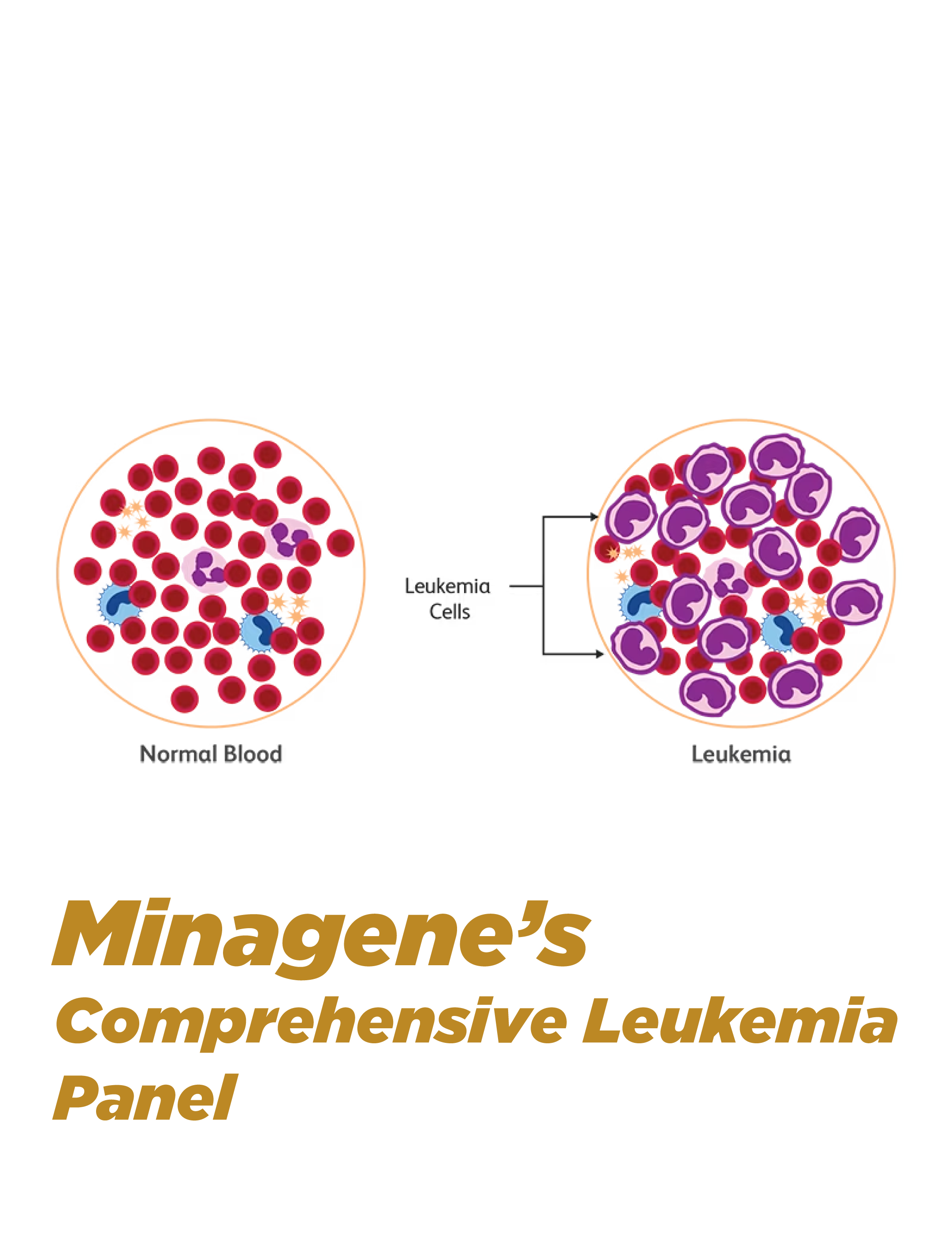
Minagene's Comprehensive Leukemia Panel is a specialized genetic test designed to provide a comprehensive assessment of genetic alterations associated with various types of leukemia. This advanced panel employs next-generation sequencing (NGS) technology to analyze a wide range of genes known to be involved in leukemia development and progression. By unraveling the genetic landscape of leukemia, this panel aids in precise diagnosis, risk stratification, and personalized treatment selection for improved patient outcomes.


Methodology


The Comprehensive Leukemia


The Comprehensive Leukemia Panel utilizes NGS technology to analyze DNA or RNA extracted from leukemia samples. The panel covers a broad spectrum of genes associated with different leukemia subtypes, including acute myeloid leukemia (AML), acute lymphoblastic leukemia (ALL), chronic lymphocytic leukemia (CLL), and others. The analysis detects various types of mutations, including single nucleotide variants (SNVs), insertions/deletions (indels), gene fusions, and copy number variations (CNVs), providing a comprehensive genetic profile of the leukemia.


Key Highlights of the Test:


Key Highlights of the Test:


-Comprehensive Genetic Evaluation: The Comprehensive Leukemia Panel performs a comprehensive evaluation of genes associated with different types of leukemia. By analyzing a wide range of genetic alterations, including driver mutations and recurrent gene fusions, the panel provides a detailed genetic profile, aiding in accurate diagnosis and risk stratification.


-Precise Diagnosis and Subtyping: The panel helps in precise diagnosis and subtyping of leukemia by identifying specific genetic alterations associated with different subtypes. This information is valuable for guiding treatment decisions and selecting subtype-specific therapeutic approaches.


-Risk Stratification: The identification of specific genetic alterations through the panel enables risk stratification, which helps predict disease aggressiveness and patient prognosis. By assessing the presence of high-risk genetic markers, clinicians can tailor treatment strategies, including the intensity and duration of therapy, to optimize patient outcomes.


-Personalized Treatment Selection: The Comprehensive Leukemia Panel facilitates personalized treatment selection by identifying actionable genetic alterations that can guide targeted therapies. The panel’s findings can assist in the selection of appropriate targeted agents or clinical trials, improving treatment response and long-term outcomes.


-Monitoring Treatment Response and Minimal Residual Disease: Serial analysis using the panel allows for monitoring treatment response and detecting minimal residual disease. By tracking changes in the genetic profile over time, clinicians can assess treatment efficacy, identify emerging resistance mechanisms, and guide treatment modifications for optimal disease control.


When to Consider This Test


-Leukemia Diagnosis: The Comprehensive Leukemia Panel is recommended for patients with suspected or newly diagnosed leukemia. The panel aids in precise diagnosis, subtyping, and risk stratification, providing critical information for treatment planning.


-Treatment Decision-Making: The test is valuable for treatment decision-making by identifying actionable genetic alterations that guide targeted therapy selection. It helps identify patients who may benefit from specific targeted agents, immunotherapies, or clinical trials based on their genetic profile.


-Risk Stratification: The panel assists in risk stratification, enabling clinicians to identify patients at higher risk of disease progression or relapse. This information helps determine the appropriate treatment intensity, including the need for more aggressive therapy or stem cell transplantation.


-Treatment Response Monitoring: Serial testing using the Comprehensive Leukemia Panel enables the monitoring of treatment response and the detection of emerging resistance mechanisms. This information guides treatment adjustments and ensures optimal disease control.


-Minimal Residual Disease Monitoring: The panel can be utilized to monitor minimal residual disease status in patients who have achieved remission. Detecting residual genetic alterations helps assess treatment response and guides decisions regarding treatment duration and the need for additional interventions

Your compare list

Compare
REMOVE ALL
COMPARE
0